

The Notebook That Saved Michael's Career
Story at a glance
“Michael Carter answered every email within seven minutes, never missed a call, and was the first person his coworkers called when something went wrong. He was also missing his son's childhood one notification at a time, and had no idea it was happening. This is the story of the brown notebook that changed everything.”
Share this story
5:18 in the Morning
The first notification arrived at 5:18 a.m.
Michael Carter hadn't even opened his eyes.
His phone buzzed across the nightstand, lighting up the dark bedroom.
One email from his supervisor. Two Slack messages from coworkers. A text from a client in California. Another notification from an overnight shipping partner.
And tucked quietly beneath all of them was a message from his wife.
"Can you pick up milk on your way home? Love you."
Michael saw every work notification immediately.
He completely missed hers.
By the time his alarm rang twelve minutes later, he was already replying to emails before his feet touched the floor.
It had become a ritual.
Coffee could wait. Breakfast could wait. Even his family could wait.
Work came first.
Michael was thirty-seven years old and lived in Denver, Colorado, with his wife Emma and their eight-year-old son Noah. From the outside, life looked stable. A good job as an operations coordinator for one of the region's fastest-growing logistics companies, a steady paycheck, a comfortable townhouse, reliable health insurance.
Friends often joked that Michael was the most dependable person they knew.
"If something goes wrong," one coworker liked to say, "just call Michael."
He secretly loved hearing that.
Being needed made him feel valuable.
What he didn't realize was that being constantly available was quietly destroying the life he was working so hard to protect.
Always Busy, Never Finished
Most mornings followed exactly the same script.
Michael carried his travel mug to the car with one hand while scrolling through Slack with the other. He answered emails at red lights. He listened to voicemail during his commute.
By the time he reached the office at 8:00 a.m., he'd already been working for nearly two hours.
His coworkers admired his dedication. His smartwatch congratulated him for being productive before sunrise.
But nobody noticed that he hadn't actually finished anything important.
His entire day was spent reacting.
A supplier called. Michael answered. A shipment was delayed. Michael fixed it. Someone forgot to submit paperwork. Michael handled it. Another urgent email arrived. Michael jumped on it immediately.
Every problem became his problem. Every emergency became his responsibility.
At first, it felt rewarding.
Over time, it became exhausting.
The strange thing about burnout is that it rarely announces itself.
It arrives quietly. One rushed morning at a time.
Michael started drinking four cups of coffee before lunch. His shoulders stayed tense even on weekends. He checked his phone every few minutes without realizing he was doing it.
Silence made him uncomfortable.
If his inbox stayed empty for more than ten minutes, he actually felt anxious.
Surely he'd missed something. Surely someone needed him.
His mind never stopped running.
Even during dinner.
The Baseball Glove
Emma noticed before he did.
Some evenings she would tell a story about Noah's baseball practice. Halfway through, she'd realize Michael wasn't listening. His eyes were fixed on his phone. His thumbs never stopped moving.
She stopped getting angry about it.
Somehow that hurt even more.
One Saturday morning, Noah walked into the kitchen holding a baseball glove.
"Dad," he asked hopefully, "want to play catch before lunch?"
Michael smiled without looking up. "Give me five minutes, buddy."
Noah nodded.
Five minutes became thirty.
Thirty became an hour.
Eventually, Emma looked out the window and saw Noah tossing the baseball into the air by himself.
She didn't say anything.
She simply picked up the dishes from breakfast.
That image stayed with her all day.
Michael barely remembered it.
Have you ever told someone you loved, "Give me five minutes", and then looked up an hour later to find they'd stopped waiting? That moment doesn't announce itself as the one that matters. It just quietly joins all the others.
The Report with Yellow and Red
At work, everyone believed Michael was thriving.
His response times were legendary. Clients loved him. Coworkers depended on him.
His manager, however, had begun noticing something different.
Despite working longer hours than anyone else on the team, Michael's biggest projects were consistently falling behind schedule. Strategic reports remained unfinished. Planning documents sat half-complete. Ideas that could improve the company never moved beyond rough drafts.
He was always busy.
But he wasn't making meaningful progress.
Late one Wednesday afternoon, Michael received a calendar invitation.
Performance Review, 3:30 PM
He wasn't worried. If anything, he expected praise.
After all, who worked harder than he did?
When he stepped into the conference room, his manager Rachel Morgan greeted him with a polite smile.
She slid a printed report across the table.
Several projects highlighted in yellow. Others in red.
Michael looked confused.
Rachel folded her hands.
"I want you to know something first," she said calmly. "You're one of the hardest-working people I've ever managed."
Michael relaxed.
Then she continued.
"But you're spending almost all your energy solving other people's emergencies."
She pointed toward the report.
"These projects right here, they're the ones that actually move this company forward."
He looked down.
Most of them were incomplete.
Rachel's voice remained gentle.
"You're incredibly productive..."
She paused.
"...at work that doesn't matter nearly as much as you think."
The room fell silent.
Michael searched for a defense.
He couldn't find one.
Because deep down, he knew she was right.
The Back Patio
That evening, Michael drove home without turning on the radio.
For the first time in years, he ignored every notification during the drive.
Emma found him sitting alone on the back patio long after sunset.
She quietly joined him. Neither of them spoke for several minutes.
Finally, Michael whispered, "I don't understand."
Emma reached for his hand.
"I think you've been running so fast..." She squeezed it gently. "...that you forgot where you were trying to go."
Michael stared into the fading Colorado sky.
For the first time in years, he had no urgent emails to answer.
Only one uncomfortable question echoing through his mind.
Had he spent years confusing busyness with real productivity?
Eight Dollars
The following Saturday, Michael wandered into a small independent bookstore tucked between a coffee shop and an old record store in downtown Denver.
He wasn't looking for anything in particular.
Mostly, he was trying to avoid going home before he'd figured out what Rachel's words actually meant.
For years, he'd believed working harder was the answer.
Now he wasn't so sure.
As he drifted through the business section, one thin paperback caught his attention.
The cover was faded. The title was simple.
The Eisenhower Matrix.
Michael almost put it back.
He'd heard about it during countless corporate training sessions that everyone treated like background noise.
But one sentence on the back cover stopped him.
"Urgent tasks demand your attention. Important tasks earn your future."
He bought the book for eight dollars.
It would become the best investment he'd ever made.
Not Ten, Not Twenty, Three
That weekend, Michael read the entire book twice.
The concept wasn't complicated. In fact, it felt almost embarrassingly simple.
Not every task deserved immediate attention. Some things were urgent. Others were important. Very few were both.
The author suggested one habit that sounded almost too easy.
Before opening email each morning, write down the three most important tasks for the day.
Not ten. Not twenty.
Three.
Finish those first. Everything else could wait.
Michael laughed. "There's no way my job works like that."
Still, he decided to try.
Monday morning arrived.
His phone buzzed before sunrise like always. Slack notifications. Emails. Missed calls.
For the first time in years, he ignored every one of them.
Instead, he opened a small brown notebook he'd picked up at a drugstore the night before.
Across the top of the page he wrote:
Today's Three Priorities
Finish the quarterly logistics report.
Finalize the warehouse efficiency proposal.
Review vendor contracts.
Then he closed the notebook.
He turned his phone face down. Muted every notification. Set a timer for one hour.
And began working.
The first ten minutes felt unbearable.
His mind kept whispering.
"Someone probably needs you. What if there's an emergency? Just check your inbox once."
His hand reached toward the phone three different times.
Each time, he stopped himself.
When the timer finally rang, the office was still standing. Nothing had caught fire. No clients had disappeared.
And for the first time in months, Michael had actually finished something important before 9:00 a.m.
The World Didn't Collapse
The change wasn't dramatic.
It was uncomfortable.
His coworkers quickly noticed he wasn't answering messages instantly anymore.
"Everything okay?" one teammate asked. "You've been quiet this morning."
Michael smiled. "I'm working on something."
Another coworker rolled his eyes. "So we're all waiting while you're focusing?"
A month earlier, Michael would've apologized.
Instead, he calmly replied, "I'll help as soon as I finish what I'm working on."
It felt strange. Almost selfish.
But something unexpected happened.
People figured things out without him. Small problems that once interrupted his day suddenly solved themselves.
The world didn't collapse.
It simply adjusted.
Dinner Without a Screen
At home, the changes were even more noticeable.
Michael left his phone in another room during dinner.
The first night felt almost uncomfortable. He kept patting his pocket out of habit.
Emma laughed. "Looking for something?"
"My phone."
She smiled. "It's charging."
For the first time in years, they finished an entire meal without a single notification interrupting them.
Two Hours of Catch
The next Saturday, Noah walked into the backyard carrying the same baseball glove.
"Dad?"
Michael looked up from trimming the hedges.
"Wanna play catch?"
This time there was no "Give me five minutes."
Michael smiled. "Absolutely."
They spent nearly two hours throwing the ball back and forth beneath the bright Colorado sky.
When they finally sat down for lemonade, Noah grinned.
"I missed this."
Michael swallowed hard.
"So did I."
Three Months Later
Three months passed.
The headaches behind his eyes disappeared. He slept nearly seven hours most nights. Coffee became something he enjoyed instead of something he depended on.
Even his coworkers noticed.
"You look different," one of them said. "You seem... calmer."
Michael laughed. "I finally realized busy isn't the same as productive."
The biggest test came during the holiday shipping season.
Orders flooded the office. Phones rang nonstop. Emails arrived faster than anyone could answer them.
Old Michael would have jumped into every emergency.
New Michael opened his notebook.
He wrote down three priorities. Finished them first. Then moved on to everything else.
By the end of the week, he'd completed more meaningful work than anyone else on his team.
Not because he worked longer hours.
Because he stopped wasting them.
The Same Conference Room, A Different Piece of Paper
Nearly a year after that difficult performance review, Rachel invited Michael into the same conference room.
This time there were no reports covered in warning colors.
Instead, she handed him a single sheet of paper.
Project Lead.
A promotion. Along with a salary increase.
Rachel smiled. "I've been trying to figure out what changed."
Michael looked down at the folded notebook resting beside him.
"I stopped trying to solve everyone's problems."
Rachel laughed. "Whatever you're doing, keep doing it."
Before 5:00
That evening, Michael drove home before sunset.
Not because he had less work.
Because he'd finished the work that mattered.
Emma opened the front door before he reached it.
"You beat traffic."
"I did."
"You hungry?"
"Starving."
No laptop. No conference calls. No phone balanced beside his dinner plate.
Just laughter around the kitchen table.
Something that had once felt ordinary now felt priceless.
Before You Go
Michael still works in logistics today.
Deadlines still exist. Clients still call. Unexpected problems still appear.
Life never became stress-free.
But it became intentional.
Every morning, before opening email, Michael writes three priorities inside the same style of brown notebook.
Some days he finishes all three. Some days he finishes only one.
But every day, he knows what truly matters before the world's distractions begin competing for his attention.
And that simple habit changed more than his productivity.
It changed his marriage. It changed his relationship with his son. It changed his health.
Most importantly, it changed the person he became.
Most people don't struggle because they aren't working hard enough.
They struggle because they're working hard on the wrong things.
Every notification feels urgent. Every email seems important. Every request demands an immediate response.
But real progress, whether in your career, your relationships, or your health, is built by consistently focusing on what matters most.
Busyness creates exhaustion.
Focus creates progress.
Tomorrow morning, before you check your phone, try this.
Write down the three most important things you can accomplish today.
Finish those first.
Everything else can wait.
Because the most successful people aren't the ones who answer every notification.
They're the ones who decide which notifications deserve an answer at all.
Did this story make you want to put down your phone and be present for someone tonight? Share it with someone who needs to read it.
Every story matters
Real stories like this one remind us that no matter how difficult life gets, people find a way through. If this story moved you, share it — you never know who needs to read it today.
Share this story
More in Addiction Recovery
You might also like
He Secretly Gambled Their Dream Home Savings — Then One Statement Changed Everything
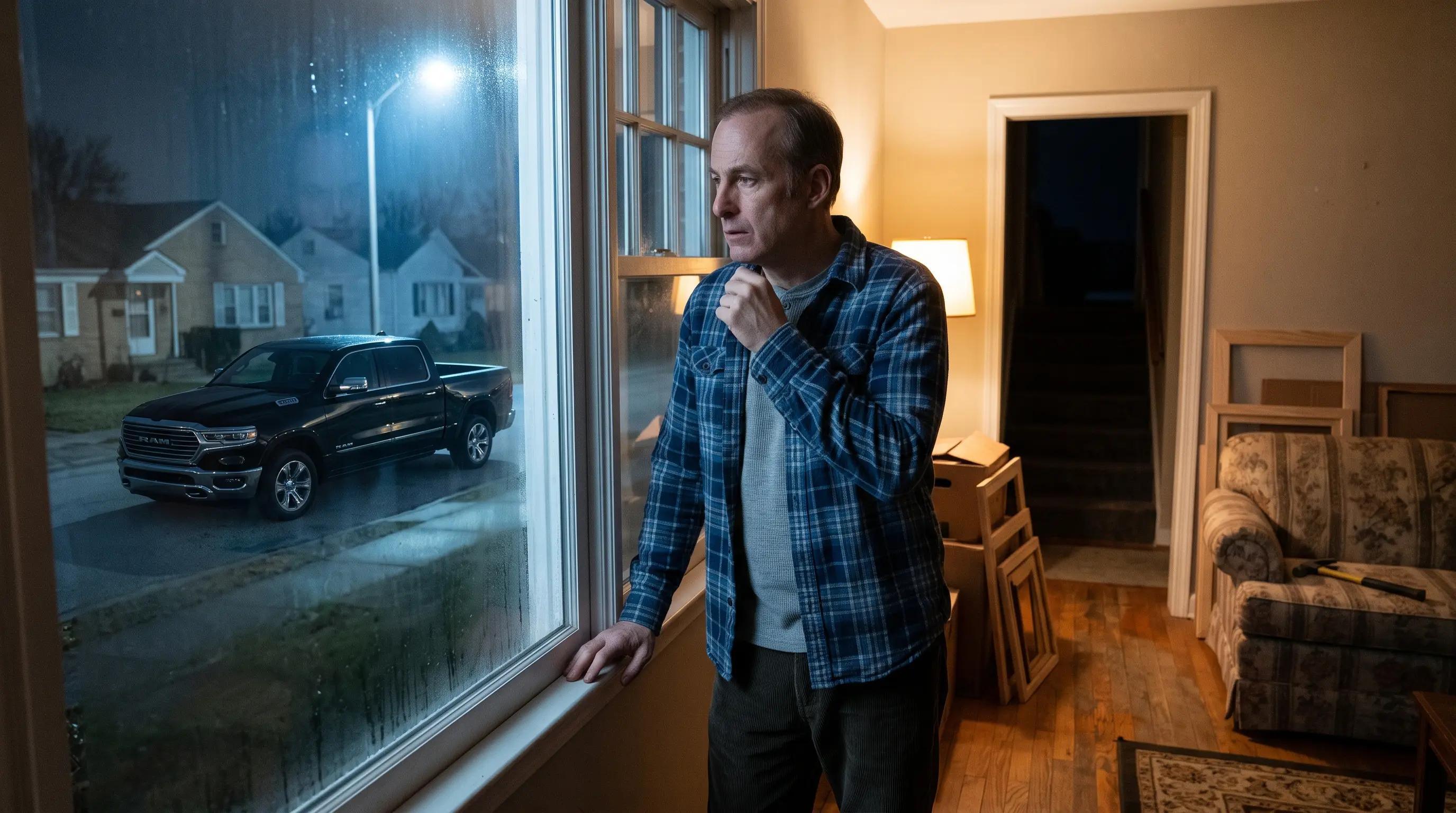
Arthur Collins wasn't the kind of man who chased luxury. For fifteen years he had repaired furnaces across the suburbs outside Philadelphia, paid the mortgage, and slowly saved toward one simple dream — finishing the basement for future grandchildren. Then his cousin texted a screenshot of green numbers and rocket emojis. Six weeks later everything Dana trusted him with was gone.

The Price of the Shortcut
Have you ever bought something because you were desperate for your life to change, not because you needed it, but because you were afraid that if you didn't act right now, you'd miss your only chance? Alex was twenty-eight, exhausted from a warehouse job in Cleveland, and staring at a countdown timer at three in the morning. The course cost almost two thousand dollars he didn't have. The man on the screen told him poor people think about the price. So Alex stopped thinking about the price.
She Thought Buy Now Pay Later Was Helping Her, Until It Nearly Cost Her Everything
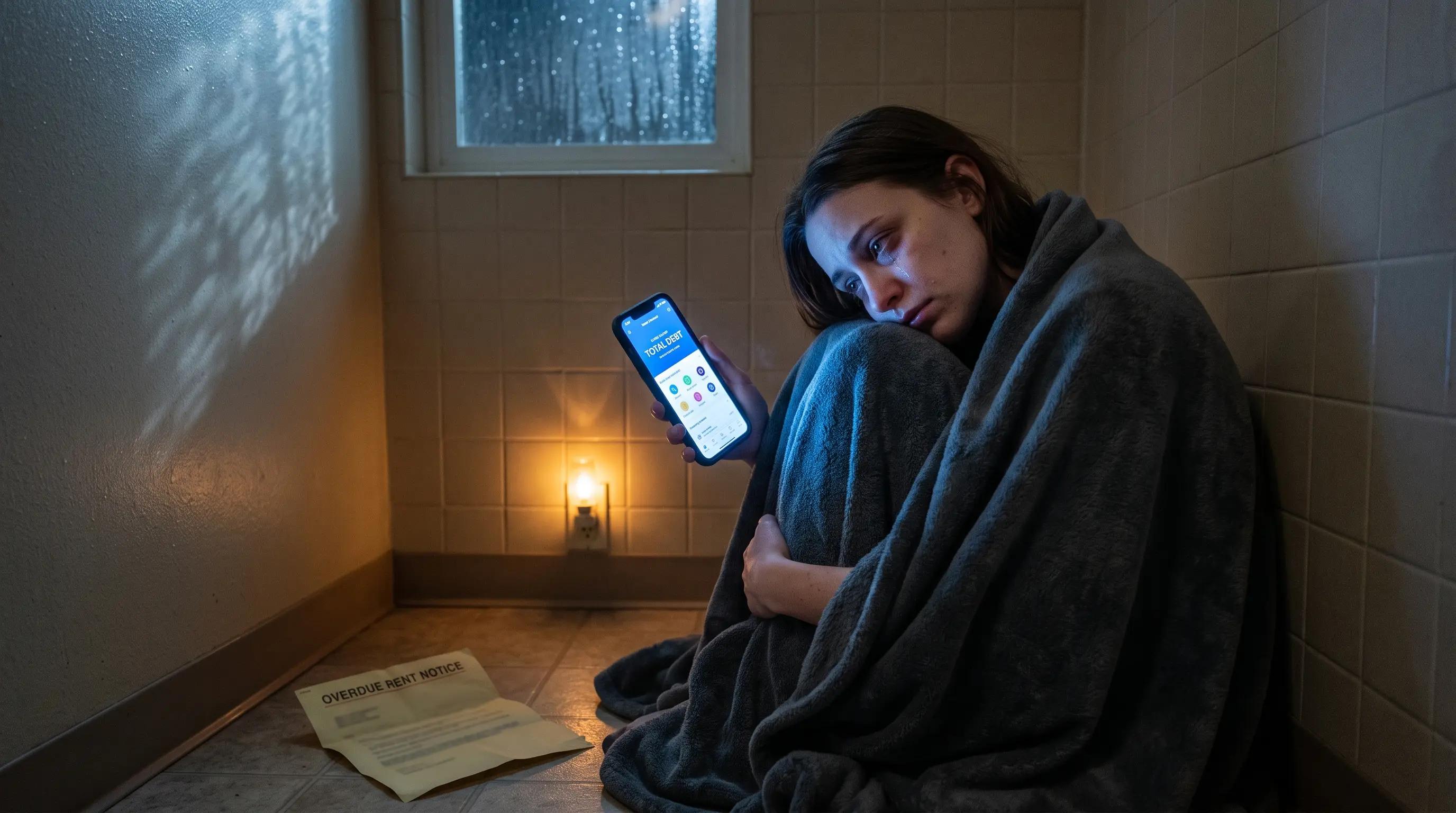
Emily Carter never thought she was bad with money. She was practical, careful, and had spent years building a small emergency fund. Then one drawing tablet, four easy payments, and a cheerful checkout button started a chain of decisions that quietly dismantled everything she had built. This is the story of how she found her way back.