

He Worked 16 Hours a Day Until His Body Forced Him to Stop
Story at a glance
“David Chen ran a growing marketing agency in Chicago. He woke at 5:00 a.m. to check emails, skipped lunch, worked through dinner, and answered messages at midnight. People called him driven. He called it necessary. Then one Tuesday morning, halfway through his fourth video call, the room went dark. He woke up in a hospital bed. What he learned in the thirty days that followed changed how he understood success entirely.”
Share this story
The Ghost in the Office Window
At thirty-two years old, David lived in Chicago and ran a growing marketing agency.
From the outside, his life looked impressive. Nice apartment. Busy calendar. Important clients. Endless opportunities. People called him driven. Some called him obsessed.
David called it necessary.
Every morning he woke at 5:00 a.m. and checked emails before getting out of bed. Meetings filled his day. He skipped lunch. Worked through dinner. Answered messages at midnight. Often fell asleep with his laptop still open.
"Success requires sacrifice," he told himself.
But there was another side of the story that no one saw.
The constant headaches. The stomach pain. The exhaustion that never went away. The fact that he could not remember the last time he laughed without thinking about work.
His girlfriend Emily had stopped making plans with him because he always cancelled.
His mother looked at him one Sunday and quietly said, "David, you look like a ghost."
He smiled and changed the subject.
Inside — he knew she was right.
David was working on ten different projects at once.
Client campaigns. Social media content. Networking events. Podcast interviews. Online courses. Books he never finished.
He was doing everything.
And somehow — nothing that truly mattered.
Despite working sixteen hours a day, his business had not grown in eight months. Despite having hundreds of contacts, he felt completely alone. Despite consuming endless advice, he felt more confused than ever.
He was running at full speed on a treadmill. Exhausted. Sweating. Breathless.
But standing in the same place.
Late at night, after everyone else had gone home, David would stare at his reflection in the dark office window.
And whisper — "Why isn't this working?"
No answer ever came.
Because he never stopped long enough to hear it.
Have you ever been the most productive-looking person in the room while producing the least meaningful work of your life? David's calendar was full. His output was scattered. His energy was everywhere. And because he never stopped moving, nobody — including him — noticed that he was going in circles.
The Tuesday That Changed Everything
Then came the Tuesday that changed everything.
David was on his fourth video call of the morning. Three empty coffee cups sat beside him. He had not eaten since the previous evening.
Halfway through the meeting — his vision blurred. The voices on the screen sounded distant. Like they were underwater.
Someone asked, "David, are you okay?"
He tried to answer. The words would not come. His chest tightened. The room spun.
And then — darkness.
David woke up in a hospital bed.
Machines beeped around him. The room smelled of disinfectant and silence. Emily sat beside him, eyes red from crying.
A doctor entered and spoke calmly.
"Severe exhaustion. Extremely high stress levels. Early signs of burnout syndrome."
Then he said the sentence David would never forget.
"Your body shut down because it was trying to save you from yourself."
After the doctor left, Emily squeezed his hand. Her voice trembled.
"I've been watching you slowly destroy yourself for two years."
David could not respond.
For the first time in years — there was nothing to do. No emails. No calls. No deadlines.
Just stillness.
And in that stillness, a terrifying thought appeared.
What if I've been wrong about success? What if all this busyness is not bringing me closer to the life I want — but pushing it further away?
He looked at his hands. Hands that were always typing. Always reaching. Always moving.
And he asked himself a question he had avoided for years.
"What am I actually building?"
And then another.
"Is it worth dying for?"
The machines kept beeping.
The silence answered for him.
No.
Three days later, David left the hospital with strict instructions. Work less. Rest more. Reduce stress.
He nodded.
But he had no idea how to do any of those things.
Because his entire identity was built on being busy.
The Two Glasses
Emily suggested he meet her uncle James.
David remembered him vaguely. A calm man who owned a successful business but never seemed rushed. David had secretly judged him.
"He probably isn't ambitious enough," he used to think.
Now, exhausted and confused — David called him.
They met at a quiet café on the edge of the city. James arrived ten minutes early, ordered tea, and sat by the window. No phone. No laptop. No distractions. Just fully present.
David told him everything. The endless work. The collapsing revenue. The hospital. The fear.
When he finished, James reached into his bag and pulled out two empty glasses and a small pitcher of water.
"Let me show you something."
He placed the first glass in front of David.
"Fill this as fast as you can."
David poured quickly. Water splashed across the table. Half the glass filled. The rest spilled everywhere.
James nodded and slid the second glass forward.
"Now fill this one slowly."
David poured carefully. The water flowed smoothly. Not a single drop was wasted. The glass filled perfectly to the top.
James lifted both glasses.
"Same water. Same pitcher. Different result."
Then he looked directly at David.
"You've been living like the first glass."
David felt his chest tighten.
"You're moving so fast that most of your energy is spilling everywhere. You're busy — but you're not effective."
The words hit harder than any business advice David had ever heard.
James leaned forward.
"I used to be exactly like you. Eighteen-hour days. No sleep. Saying yes to everything."
He smiled sadly. "I nearly lost my marriage, my health, and my company."
Then he said the sentence that changed everything.
"Less, but better."
David repeated it quietly. "Less, but better?"
James nodded. "I stopped doing a hundred things poorly and started doing three things exceptionally well."
He pulled out a notebook and wrote three lines.
1. Choose only three priorities each day. If it is not one of the three, it is not a priority.
2. Protect two hours of uninterrupted deep work. No email, no calls, no multitasking.
3. End work at a fixed time. If it is not finished today, it can wait until tomorrow.
David stared at the page. It looked too simple.
"That can't be enough."
James smiled. "That's what every exhausted person says."
Forty-Seven to Three
That night, David did something radical.
He opened his calendar and deleted more than half of his meetings.
He looked at his to-do list of forty-seven tasks.
He crossed out forty-four of them.
Only three remained.
Finish the proposal for his biggest client. Plan a strategy session with his team. Exercise for one hour.
His hands shook as he deleted the meetings.
It felt irresponsible. It felt dangerous. It felt like failure.
But he did it anyway.
The next morning, David woke without an alarm for the first time in years.
He made coffee and sat in silence for thirty minutes. No phone. No email. No notifications. Just breathing.
It felt uncomfortable at first. Then surprisingly peaceful.
He opened a notebook and wrote — Today's 3 priorities.
That was all. No endless list. No fake productivity. No pretending he could do everything.
At 9:00 a.m., he started his first deep-work session.
He turned off notifications. Closed every browser tab. Put his phone in another room.
For two hours — he worked on the client proposal.
Nothing else.
When he looked up, the proposal was finished.
A task he had been postponing for three weeks.
David sat back. "How did that take only two hours?"
Because for the first time — he had actually focused.
Think about the last time you worked on one thing — only one thing — for two uninterrupted hours. Not switching between tabs. Not checking messages. Not half-working while half-distracted. David had been calling himself productive for years while never doing this once. The proposal took two hours. Three weeks of postponing had taken much longer.
A Week Later
A week passed.
Something strange happened.
David was working six hours a day instead of sixteen. Yet he was getting more done. His thinking became clearer. His decisions became faster.
His project manager told him, "You seem calmer — and honestly, easier to work with."
David laughed. He had not heard the word calm used to describe him in years.
By saying no to small distracting projects, he had more energy for the clients that truly mattered.
Within three weeks, his agency signed two of its biggest clients ever.
Revenue started growing again.
Not because he was doing more.
But because he had stopped wasting energy on things that did not matter.
I Feel Like I Have You Back
The biggest surprise came one Friday evening.
David and Emily went out to dinner. A real dinner. His phone stayed in his pocket. He listened. He laughed. He was fully there.
Halfway through the meal, Emily looked at him with tears in her eyes.
"I feel like I have you back."
David realized something painful.
For years, he had been physically present but mentally absent. He had given his attention to everyone except the people he loved.
Thirty Days Later
Exactly thirty days after meeting James, David returned to the same café.
This time — he arrived early. He sat by the window, calm and unhurried.
James walked in and smiled immediately. "You look different."
David smiled back. "I feel different."
James sat down. "So — what happened?"
David looked out the window for a moment.
"I spent years running as fast as I could. I thought speed was progress. But I was running in the wrong direction."
He paused.
"Slowing down didn't make me fall behind. It helped me finally move forward."
In thirty days — his agency's revenue increased by forty percent. Team morale improved. His headaches became rare. He started sleeping through the night. And he worked forty hours a week instead of one hundred and twelve.
He achieved in one month what eight months of nonstop hustle had failed to produce.
Before leaving, James picked up his tea and said one final thing.
"Slow down — not because you're lazy, but because precision requires stillness."
David never forgot that sentence.
Before You Go
Being busy is not the same as being productive. Movement is not the same as progress. Exhaustion is not a badge of honor.
Sometimes the most powerful thing you can do is not add another task. Not work another hour. Not chase another opportunity.
Sometimes the most powerful thing you can do is choose less.
Less noise. Less distraction. Less rushing.
And give your full attention to the few things that truly matter.
Because your best work does not come from a frantic mind.
It comes from a focused one.
Before you go to sleep tonight — ask yourself one simple question.
What are the three things that would truly move my life forward tomorrow?
Then ignore the rest.
That is where real change begins.
Did this story make you want to delete half your to-do list tonight? Share it with someone who is running fast in the wrong direction.
Every story matters
Real stories like this one remind us that no matter how difficult life gets, people find a way through. If this story moved you, share it — you never know who needs to read it today.
Share this story
More in Illness & Recovery
You might also like
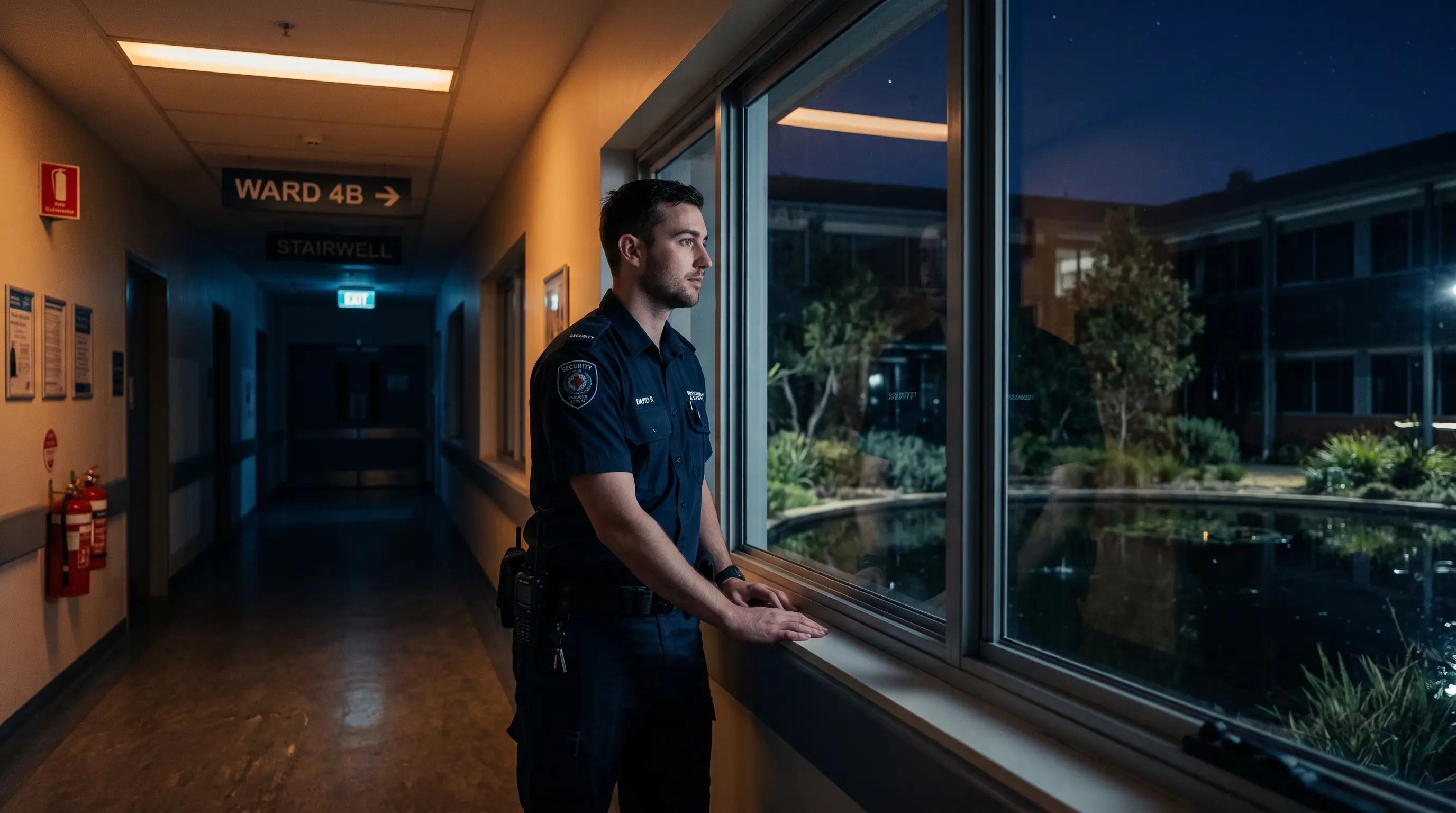
The Night Shift Changed His Life
Have you ever felt like your life runs on a different clock than everyone else? Daniel Brooks spent three years working nights, feeling invisible while the world moved on without him. Then one janitor and a still pond taught him something about silence that changed everything.

The Crumpled $20 Bill: A Simple Lesson That Changed Hundreds of Lives
It was early October in Chicago. Nearly 300 people had filled a downtown conference ballroom for a personal development seminar. They came from different lives — some owned businesses, some had lost jobs, some were grieving, some were rebuilding after divorce. What they shared was a single thing. They were searching for hope. Nobody knew that the most important moment of the morning would involve a $20 bill, a carpet, and a question nobody needed to think about.

The 1% Rule: How One Tiny Habit Changed a Man's Life Forever
Ethan Carter had tried everything. Gym memberships he never used. Meal-prep containers he used exactly twice. A strict schedule covering every hour of every day. Every Monday he started over. Every Thursday he quit. Then he injured his shoulder trying to keep up with his own impossible expectations — and a coworker named Michael drew two dots on a paper napkin that changed everything.